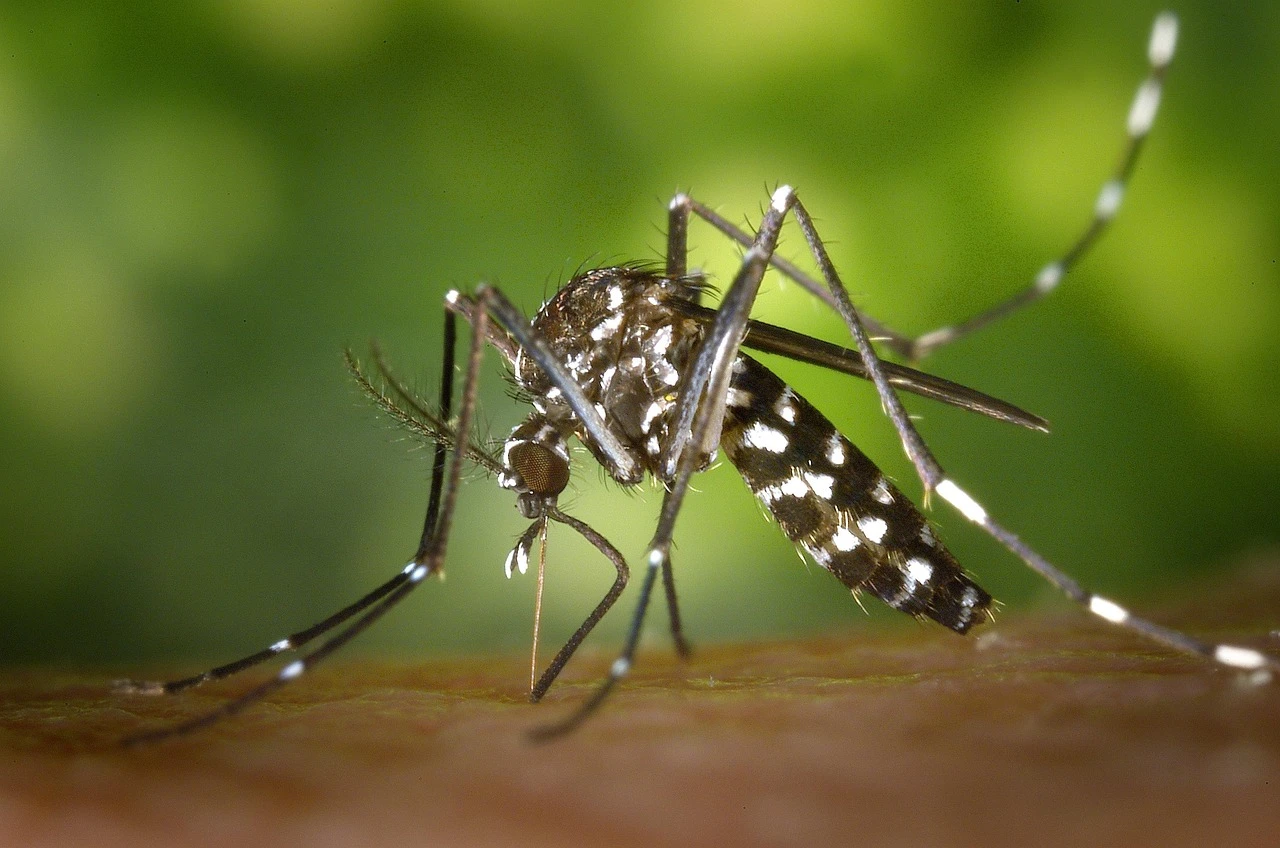
Mosquitoes collected in Oshawa have tested positive for West Nile virus, marking the second positive batch found in Durham Region this season — and the first, detected earlier in July, came from Ajax.
The result was confirmed through the region's ongoing surveillance program, according to Durham Region Health Department. Every week between June and September, the Health Department sets mosquito traps at sites across the region and sends the insects it collects for laboratory testing. The Oshawa batch came from one of those trap sites.
What West Nile virus is
West Nile virus is a mosquito-borne illness spread to people through the bite of an infected mosquito, according to the Health Department. Mosquitoes pick up the virus by feeding on the blood of an infected bird. The disease cannot pass from person to person, and it cannot pass directly from bird to person.
Most people who contract the virus experience only mild illness, the Health Department says. Symptoms can include fever, headache, body aches, nausea, vomiting and a rash on the chest, stomach or back.
More serious symptoms can include muscle weakness, a stiff neck, confusion, tremors, numbness and sudden sensitivity to light. Symptoms typically develop between two and 15 days after a bite from an infected mosquito.
Lowering the risk
The Health Department says the overall risk of infection is low, but recommends residents take precautions to reduce mosquito bites and the chance of being infected. Those measures include avoiding being outdoors during peak mosquito periods at dawn and dusk, wearing light-coloured, long-sleeved shirts and long pants, and using insect repellent.
Homeowners are also encouraged to eliminate standing water where mosquitoes breed — including in bird baths, planters, gutters and containers — and to ensure screens on windows and doors fit properly and are free of holes.
The Health Department also works to keep mosquito populations down across the region by treating catch basins and other sites of stagnant water with a larvicide to reduce breeding.
For Ajax residents, the season's first positive batch — collected in town earlier this month — served as an early signal that the virus is circulating locally, and this week's Oshawa result confirms it is present in more than one part of Durham.
Residents with questions can call the Durham Health Connection Line at 905-668-2020 or 1-800-841-2729, or visit durham.ca/WestNile for more information.